Lab-backed air quality answers for Tarrant County homes
Mold Testing Bedford TX gives you a straight answer about what is growing in your house and whether the air is safe. We inspect, sample, and test with calibrated meters and lab analysis, then hand you a written report you can act on. If you have smelled a musty odor or spotted black mold growth after a leak, call (817) 839-0204 and we will schedule same-day air quality testing in Bedford, Texas.
Every standard visit covers the full diagnostic picture: visual inspection, moisture mapping, air and surface sampling, lab analysis, and a written report. Remediation, duct cleaning, and reconstruction are separate services you can add after you see the results. Here is what you get on the testing visit itself.
Full Visual Inspection
We walk the attic, HVAC closet, bathrooms, kitchen, laundry, and any room with a musty odor or visible staining. A boroscope inspection camera checks inside wall cavities where growth is suspected but not visible. This step takes 45 to 90 minutes and covers the whole house, not just the room you called about.
Moisture Mapping
A calibrated moisture meter and thermal imaging camera map wet materials behind drywall, under flooring, and around plumbing fixtures. We record readings on a floor plan so you can see exactly where moisture is elevated. This is how we find the source feeding the mold, which is the part most testing companies skip.
Air and Surface Sampling
Calibrated air sampling pumps run in the rooms of concern plus one outdoor control sample. Surface samples come from visible growth using swabs or tape lifts. If growth is hidden, we sample the air in the adjacent room and use the boroscope to confirm. Samples ship to an accredited lab with chain-of-custody paperwork.
Lab Analysis and Report
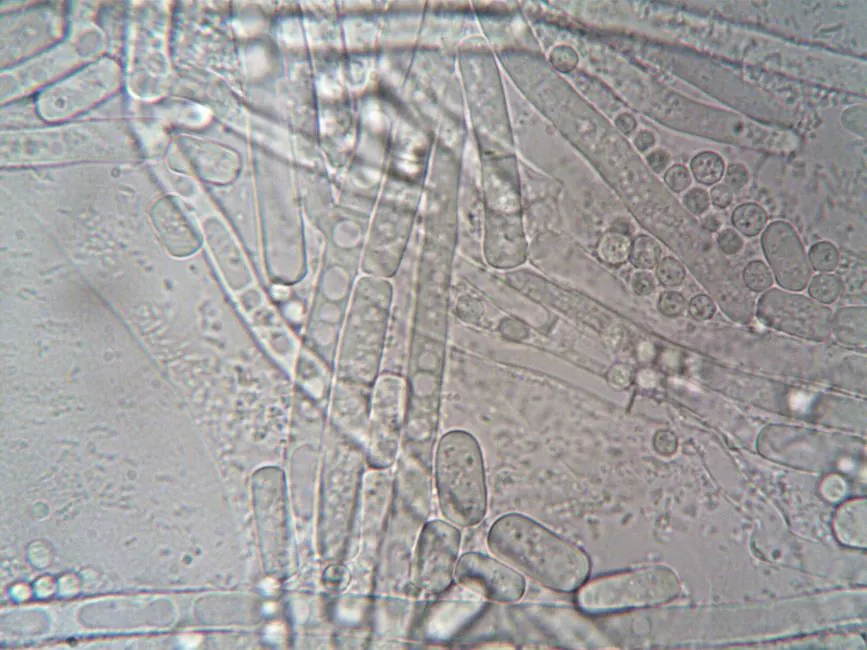
The lab identifies species and reports spore concentrations. We compare indoor counts to the outdoor baseline and flag anything elevated. Your written report includes photos, moisture readings, a floor plan with affected areas marked, and a plain-English summary of what the data means and what to do next.
Phone Walkthrough
When the report lands, we call you and go through it line by line. You can ask about specific rooms, species, or remediation options. If you want a remediation quote, we schedule a separate visit so the scope is based on lab data rather than a guess made on the first walkthrough.
What Mold Testing Bedford TX Actually Finds
Mold Testing Bedford TX is a diagnostic service that measures airborne spore counts, identifies mold species, and pinpoints the moisture source feeding the growth. We walk the house with a moisture meter and a thermal imaging camera, check the attic, HVAC closet, and every bathroom, then take air and surface samples. Samples go to an accredited lab, and you get a report listing species, concentrations, and where the problem is coming from. No guesswork, no scare tactics.
Bedford homes deal with humid Gulf air, slab foundations, and HVAC systems that run nine months a year. That combination keeps indoor humidity above 60 percent in plenty of houses, which is all black mold growth needs to take hold behind drywall or inside an air handler. If you have had water damage mold after a storm, or you keep scrubbing the same bathroom mold every spring, professional mold testing in Bedford, Texas tells you whether the problem is surface-level or hiding behind the walls.
How Our Bedford Mold Testing Process Works
Every job follows the same five steps, whether it is a 1,400-square-foot ranch house near Central Drive or a two-story in Bedford Estates. You will know what happens, who does it, and how long it takes before we start.
01
Schedule
Call or book online, a real human picks up and confirms a 2-hour arrival window.
02
Diagnose
Licensed tech inspects on-site, then walks you through the cause and your options.
03
Fix
The job is completed to code and done right the first time, no shortcuts, no surprises.
04
Guarantee
Every job backed by a written workmanship warranty, and we stand behind it.
Tools and Methods Behind Our Mold Testing
Tools & Equipment
Moisture Meter
Pin-type and pinless meters read moisture content in drywall, framing, and flooring. They tell us whether a material is wet enough to support mold growth and how far the moisture has spread from the source.
Thermal Imaging Camera
Infrared imaging shows temperature differences behind walls and under floors, revealing hidden moisture without cutting into finishes. We use it to map the full extent of a leak before we take samples.
Boroscope Inspection Camera
A flexible camera on a narrow probe lets us look inside wall cavities, ductwork, and ceiling voids. When growth is suspected but not visible, this confirms it without a large demolition hole.
Calibrated Air Sampling Pumps
These pumps pull a known volume of air through a sampling cassette. The lab cultures the cassette and reports spore counts per cubic meter, which we compare to an outdoor control sample.
HEPA Vacuum and Air Scrubber
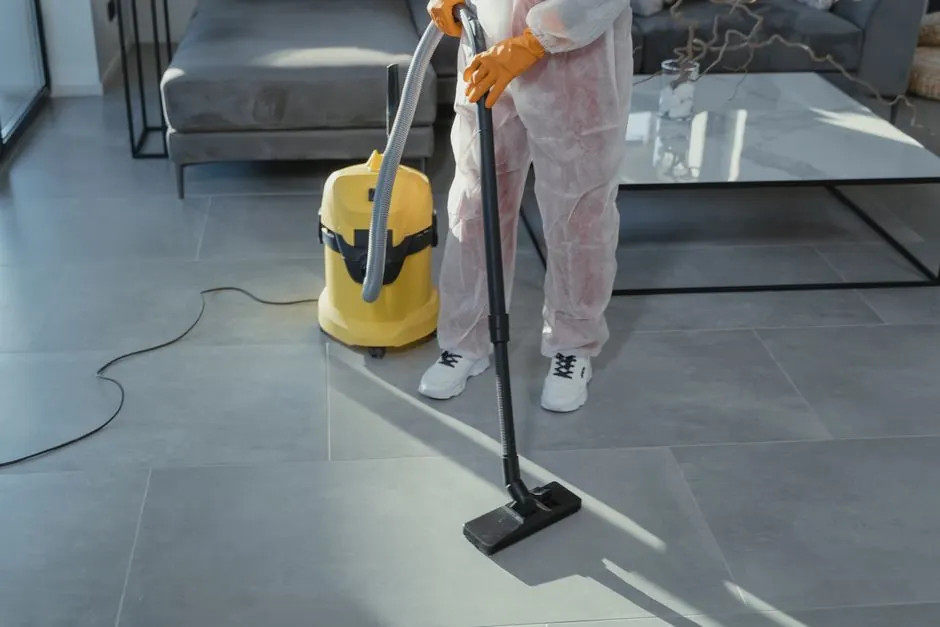
When remediation follows testing, HEPA vacuums capture spores from surfaces and air scrubbers with HEPA filters run continuously inside containment to keep the rest of the house clean.
Negative Air Machine
During remediation, a negative air machine keeps containment under negative pressure so spores cannot escape into living areas. It runs 24/7 until the clearance test passes.
Dehumidifier
After water damage, we set commercial dehumidifiers to pull moisture out of framing and drywall. Dry materials stop mold growth, and daily readings tell us when the structure is ready for testing.
Methods & Standards
IICRC S520 Mold Remediation Standard
This standard defines how to assess, contain, and remediate mold growth. We follow it for sampling protocols, containment construction, and clearance criteria. It is the benchmark insurance adjusters and industrial hygienists expect to see in a report.
Indoor vs. Outdoor Baseline Comparison
Every air test includes an outdoor control sample. Comparing indoor spore counts to outdoor levels tells us whether the indoor environment is normal or elevated. Without that baseline, a spore count number means very little.
Moisture Mapping and Source Tracing
We map moisture readings on a floor plan and trace them back to a source, whether that is a supply line, a roof flashing, or an HVAC condensate pan. Testing without source tracing leaves you with a report but no fix.
Containment and Negative Pressure
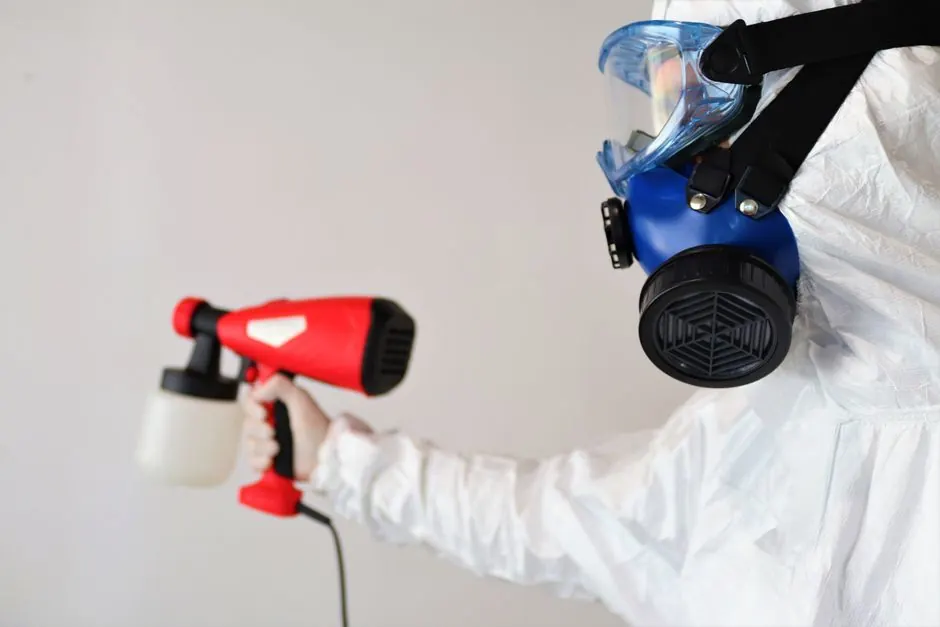
When remediation follows testing, we build containment with plastic sheeting and run a negative air machine to keep spores out of clean areas. HEPA vacuuming and antimicrobial spray follow, then a clearance test confirms the work.
When Bedford Homeowners Call Us for Testing
01
You are buying a Bedford house and the inspection report mentions a musty smell or past water stain.
What we do: We test before closing so you know whether the stain is cosmetic or active growth. Air and surface samples plus moisture mapping give you documented evidence for negotiation or a repair request. Rush lab results are available if your closing date is tight.
→ You walk into closing with a lab report in hand, or you negotiate the remediation cost off the price instead of discovering it after you move in.
02
A supply line burst under the sink and you dried it with fans, but the baseboards still smell musty two weeks later.
What we do: We check the wall cavity with a moisture meter and boroscope inspection camera, then take air and surface samples. If growth is confirmed, we contain the area, remove affected drywall, treat framing, and verify with a clearance test.
→ The musty smell is gone, the wall is rebuilt with mold-resistant drywall, and you have a clearance report showing the area is clean.
03
Your family keeps getting sinus infections and allergies, and the symptoms ease when you travel.
What we do: We sample every bedroom and living area, compare indoor counts to an outdoor baseline, and inspect the HVAC system for mold contamination. If the air handler or ductwork is the source, we recommend duct cleaning and antimicrobial treatment.
→ You know which rooms are elevated and what is causing it, so you can fix the source instead of guessing at air purifiers.
04
You manage a rental property in Bedford and a tenant reports a musty smell in the bathroom.
What we do: We test the unit, document findings with photos and lab data, and provide a report your contractor can work from. If remediation is needed, we scope it by square footage and species so you get comparable bids.
→ You have documentation for the tenant and the owner, and a repair scope that keeps the work on budget and on schedule.
How Mold Testing Runs in Bedford, Texas
Bedford sits in Tarrant County between Fort Worth and Dallas, where summer humidity runs high and HVAC systems work overtime from April through October. That combination keeps indoor humidity above 60 percent in plenty of homes, which is enough for black mold growth behind drywall and inside air handlers. Most of the housing stock here was built between the 1960s and 1990s, with slab foundations, original cast-iron drains, and attic ductwork that has been patched more than once. When we test a Bedford house, we pay close attention to the HVAC closet, the attic sheathing, and the bathroom walls, because those are the three places we find growth most often. If you search for mold testing and air quality in Bedford TX 76021, you are probably dealing with one of those three. We also see a spike in calls after spring storms and after the first cold snap, when heaters kick on and push spores through the house. Same-day air quality testing in Bedford, Texas is usually possible if you call before noon.
Neighborhoods We Serve
Bedford Estates
Larger two-story homes with multiple HVAC zones. We often find mold in the second-floor air handler closet when a condensate line clogs and drips into the ceiling below.
Central Bedford
Older ranch homes on slab foundations with original plumbing. Slow supply line leaks under sinks and behind washing machines are the most common moisture source we find.
Bedford Heights
Homes with mature trees and shaded roofs. Roof flashing and attic ventilation issues show up here after heavy rain, and attic mold is a frequent finding.
Pennington Hill
Mix of 1980s and 1990s builds with original bath fans. Fans that vent into the attic instead of outside create attic mold over time, especially in humid summers.
Local Conditions We Plan For
Summer humidity above 60 percent indoors
Keeps drywall and framing damp enough for mold growth even without a visible leak. We check indoor humidity during every inspection and recommend a dehumidifier or HVAC adjustment when readings stay high.
Slab foundations with cast-iron drains
Slow drain leaks under the slab wick moisture up into flooring and baseboards. A moisture meter reading along the slab edge often reveals a problem the homeowner did not know existed.
Attic ductwork with patched connections
Loose or taped duct joints leak conditioned air into the attic, raising humidity and feeding attic mold. We check duct sealant and insulation during every attic inspection.
Spring storm and flooding events
Water intrusion after heavy rain creates water damage mold within 24 to 48 hours. We prioritize emergency calls after storms and schedule testing as soon as the structure is dry enough to sample.
Musty Hallway Traced to Laundry Leak
Before
A Bedford homeowner called about a musty smell in the hallway that had been there for months. No visible mold. A moisture meter reading along the baseboard showed elevated moisture behind the washing machine, and air samples came back with elevated Cladosporium spores.
After
We documented the leak, the affected drywall, and the lab results in a written report. The homeowner fixed the supply line, we removed two feet of drywall, treated framing with antimicrobial spray, and a follow-up air test came back at normal outdoor levels.
Maintenance: Check the washing machine supply hoses every six months and replace rubber hoses with braided stainless steel. Keep indoor humidity below 55 percent with the HVAC fan set to auto.
Before
A Hurst homeowner found dark staining on attic sheathing after a spring storm. Testing confirmed Aspergillus growth across roughly 120 square feet of roof decking, and the bath fan was venting straight into the attic instead of outside.
After
We removed affected sheathing sections, treated framing with Concrobium, and rerouted the bath fan to vent through the roof. A clearance test three days later showed spore counts back to normal, and the attic has stayed dry through two summers.
Maintenance: Confirm bath fans vent outside, not into the attic. Run the fan for 20 minutes after every shower and check attic sheathing each spring for new staining.
Before
A property manager in Euless had a tenant complaining of allergies and a musty smell in a two-bedroom unit. Air samples in both bedrooms were elevated, and inspection found mold growth on the air handler evaporator coil and inside the return plenum.
After
We contained the HVAC closet, cleaned the air handler and ductwork with HEPA vacuum and antimicrobial spray, and replaced the filter with a MERV 11. Post-remediation air testing showed indoor counts below outdoor levels, and the tenant renewed the lease.
Maintenance: Change HVAC filters every 60 to 90 days, keep the condensate drain pan clean, and schedule duct cleaning every three to five years in humid climates.
Mold Problems We Solve for Bedford Homeowners
Most Bedford mold calls fall into a handful of patterns. Testing tells us which one you are dealing with, and the answer decides whether you need a small cleanup or a full containment job.
Problem
Musty odor with no visible mold
The smell usually means active growth behind drywall, under flooring, or inside the HVAC system. Ignoring it lets spores spread through the house every time the air handler runs.
Our Fix
We run air samples in the affected rooms plus one outdoor control, then use a thermal imaging camera and moisture meter to find the hidden source. If growth is inside a wall cavity, a boroscope inspection camera confirms it without demolition. You get species names and spore counts, not a guess.
Problem
Mold keeps returning after cleaning
Recurring mold means the moisture source was never fixed. Cleaning the surface without correcting the leak or humidity problem guarantees the growth comes back within weeks.
Our Fix
Testing identifies the species and the moisture pattern. We check supply lines, drain pans, window flashing, and attic ventilation to find what is feeding it. Once the source is corrected, remediation holds because the conditions that grew mold are gone.
Problem
Mold after a water leak or flood
Water damage mold starts within 24 to 48 hours. If materials stay wet longer than three days, growth spreads into framing and insulation, and the repair scope grows with it.
Our Fix
We document moisture readings and take air and surface samples to establish what grew and where. That report supports an insurance claim and defines the remediation scope. We then dry, treat, and verify with a clearance test before walls close.
Problem
Allergy symptoms that worsen at home
Elevated indoor spore counts trigger asthma and allergy symptoms, especially in bedrooms where you spend eight hours a night. The cause is often HVAC mold contamination spreading spores through the whole house.
Our Fix
We sample each bedroom and the main living areas, compare counts to outdoor levels, and inspect the air handler and ductwork. If the HVAC system is the source, we recommend professional duct cleaning and antimicrobial treatment of the air handler.
Why Bedford Homeowners Book Testing First
Guessing at a mold problem costs more than testing for it. These are the outcomes our Bedford customers care about most, and each one comes from data, not a sales pitch.
Know the Species
Lab analysis names the mold, not just the color. We identify Aspergillus, Cladosporium, Stachybotrys, and other species, then compare indoor counts to an outdoor baseline. That distinction matters: a small amount of common mold is normal, but elevated Stachybotrys in a bedroom is not. You get numbers, species names, and a clear threshold for action.
Find the Moisture Source
Mold needs water. We trace it with a moisture meter and thermal imaging camera, checking supply lines, drain pans, window flashing, and slab edges. In Bedford, the culprit is often a slow HVAC condensate leak or a roof flashing that only drips during heavy rain. Fix the source and the mold stops coming back.
Protect Your Family
Airborne spores trigger allergies, asthma flare-ups, and sinus problems, especially in kids and older adults. Testing tells you which rooms are elevated and whether your HEPA filters and HVAC system are spreading spores instead of removing them. You get a room-by-room picture so you can decide what to remediate and what to leave alone.
Document for Insurance
A written lab report with photos and moisture readings supports a water damage claim and shows the adjuster exactly what happened. We document affected square footage, spore counts, and the moisture source. That paperwork has helped Bedford homeowners get remediation covered after a supply line failure or a slow shower pan leak.
Licensed, Certified, and Local
Texas Licensing, Handled Right
In Texas, mold assessment and mold remediation are separately licensed, the company that tests your home cannot be the same one that remediates it (TDLR).
We connect you with local mold specialists serving Bedford, TX, partner specialists hold Texas mold remediation licensing for jobs over 25 sq ft.
Verify any Texas mold licenseat tdlr.texas.gov before work begins, we encourage it.
Local Mold Testing Experience You Can Verify
Partner specialists work under Texas mold remediation licensing (TDLR). We also carry Texas Mold Assessment and Remediation licensing and follow the IICRC S520 mold remediation standard on every job. That means sampling protocols, chain-of-custody paperwork, and lab selection all meet industry requirements. We work Tarrant County homes every week, from 1950s slab ranches to new builds in Bedford Estates, and we know how local humidity and HVAC design affect indoor spore counts.
TDLR-licensed technicians handle every inspection and sampling visit.
Texas Mold Assessment and Remediation license held for consulting and remediation work.
Professional standards support indoor air quality assessments and reporting.
We use accredited labs with chain-of-custody documentation on every sample.
Local experience across Bedford, Hurst, Euless, and Tarrant County housing stock.
Most Bedford mold testing runs $325 to $650 in 2026, depending on how many samples we take. A basic three-sample air test starts at $325. Adding surface samples, a boroscope inspection, or rush lab results pushes the total toward the upper end. You get a flat quote before we schedule, and there are no trip charges anywhere inside Bedford.
What does air quality testing include in Bedford Texas?
Air quality testing in Bedford includes a full walkthrough, moisture readings, thermal imaging, and calibrated air sampling in the rooms of concern plus one outdoor control. Samples go to an accredited lab for species identification and spore counts. You receive a written report with photos, a floor plan, and a comparison of indoor versus outdoor levels so you know whether the air is normal or elevated.
How long do mold testing results take in Bedford?
Standard lab turnaround is two to three business days. Rush analysis returns in 24 hours for an added fee. We call you the moment results arrive and walk through the findings. If you need documentation for an insurance claim or a real estate closing, tell us the deadline when you book and we will schedule sampling to meet it.
Does air quality testing detect black mold in Bedford?
Yes. Air sampling captures airborne spores, and surface sampling confirms black mold growth directly on materials. The lab identifies Stachybotrys and other black mold species by name and reports the concentration. If growth is hidden behind drywall, a boroscope inspection camera lets us confirm it without a large demolition. You get a clear yes or no backed by lab data.
Related Mold Services for Bedford Homes
Mold Remediation
When testing confirms elevated spores, our remediation crew contains the area with plastic sheeting, runs a negative air machine, and removes affected drywall and insulation. We apply antimicrobial spray and an encapsulant coating on framing, then pass a clearance test before we pull containment.
View Mold Remediation
Mold Inspection
A mold inspection is the visual and moisture-mapping half of the job. We check the attic, HVAC closet, bathrooms, and slab edges with a moisture meter and thermal imaging camera. Inspection findings decide where we place air samples, so the two services work together on every Bedford job.
View Mold Inspection
Black Mold Removal
Black mold growth behind drywall or under flooring needs containment before removal. We seal the area, run HEPA vacuum and air scrubber equipment, and bag debris for disposal. After removal, we treat framing with antimicrobial spray and verify with a clearance test before closing walls.
View Black Mold Removal
Attic Mold Removal
Attic mold in Bedford usually traces to a bath fan venting into the attic or a roof leak. We test first to confirm species, then remove affected sheathing and insulation, treat framing, and correct the ventilation problem so the mold does not return next summer.
View Attic Mold Removal
HVAC & Air Duct Mold Cleaning
HVAC mold contamination spreads spores through every room. Our professional duct cleaning process includes negative air machine containment, HEPA vacuuming of trunk lines and registers, and antimicrobial treatment of the air handler. Testing before and after proves the system is clean.
View HVAC & Air Duct Mold Cleaning
Bathroom Mold Removal
Bathroom mold keeps coming back when the moisture source is a slow shower pan leak or a failed exhaust fan. We test, remove affected drywall and caulk, treat framing with Concrobium or Benefect, and reseal with mold-resistant drywall and fresh caulk lines.
View Bathroom Mold Removal
Schedule Mold Testing Bedford TX Today
Lab-backed results, flat-rate pricing, and a written report you can hand to your insurance company. Call (817) 839-0204 and we will book your Mold Testing Bedford TX visit, often the same day. Licensed, insured, and local to Tarrant County.
Reach us at (817) 839-0204 any time, day or night. We answer live calls, schedule same-day inspections when the calendar allows, and give you a flat written price after we see the job. If you are in 76021, 76022, or 76095, we are usually minutes away.