Mold Inspection Bedford TX That Finds the Source, Not Just the Stain
Certified inspectors, moisture meters, thermal cameras, written findings.
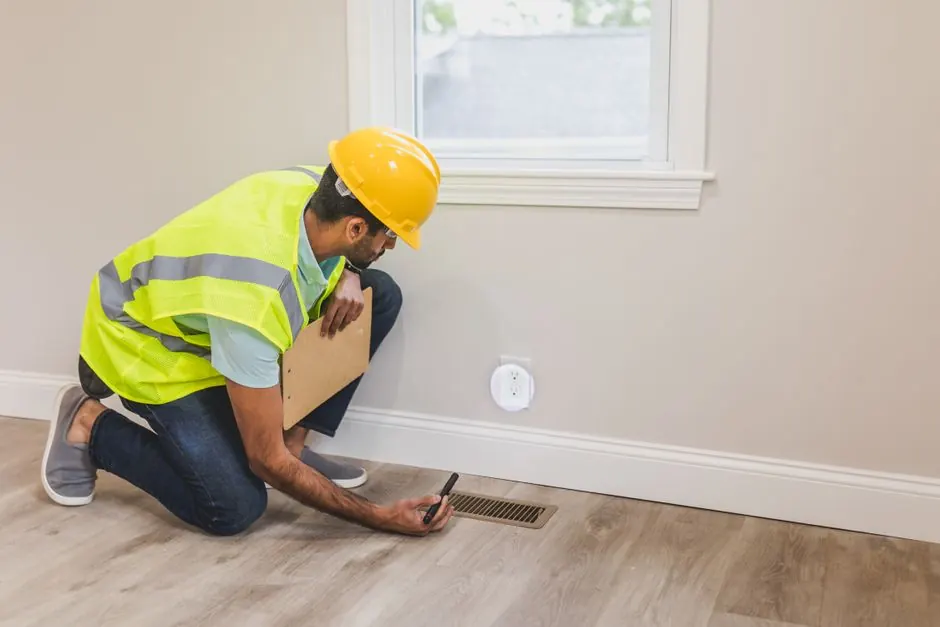
Mold Inspection Bedford TX starts with finding where water is actually getting in. We scan your walls, attic and HVAC with thermal imaging cameras and moisture meters, then sample the air so you know what you are breathing. If you have smelled something musty since the last big rain, or you are buying a house in Tarrant County, this is the first call to make.
Every inspection covers the full moisture investigation and lab sampling. Remediation, duct cleaning and reconstruction are separate scopes quoted only if the findings call for them, so you never pay for work the report does not support.
Full Moisture Survey
We take moisture meter readings at every exterior wall base, under each sink, around the water heater and at the HVAC air handler. Readings are logged as percentages so you can see exactly how wet each area is and compare after repairs.
Thermal Imaging Scan
A thermal imaging camera reveals temperature differences behind finished walls, above ceilings and around windows. It shows us where wet drywall or hidden mold behind walls is likely without cutting into your home.
Air and Surface Sampling
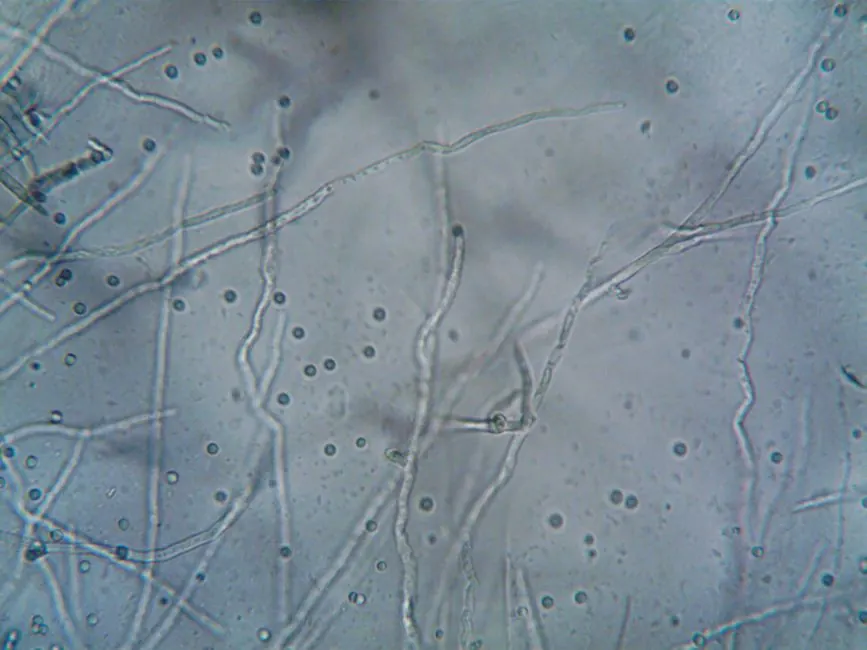
We collect indoor air samples plus one outdoor control, and take tape or swab samples from visible growth. The accredited lab identifies genus and returns spore counts, which tells you whether the indoor air is worse than outside.
Attic and HVAC Check
Attic mold and HVAC mold contamination are two of the most common findings in Bedford. We inspect roof decking, insulation, the supply plenum and the evaporator coil, because a contaminated system spreads spores through every room.
Written Report With Photos
You get a floor-plan sketch, labeled photos of each reading, lab results and a plain-language summary. It is formatted for realtors, adjusters and attorneys, and it states clearly whether remediation is needed or a repair will do.
What Mold Inspection Bedford TX Actually Covers
Mold Inspection Bedford TX is a non-invasive, room-by-room investigation that locates active mold growth, hidden moisture and the conditions feeding it. We do not just look at the black spot on your ceiling. We check the attic decking, the supply plenum, the back of the drywall, the cabinet under the bathroom sink and the baseboards where carpet meets wall. A moisture meter tells us where the drywall is still wet. A thermal imaging camera shows us the cold spots where condensation is forming. A boroscope inspection camera goes inside the wall cavity without cutting a hole.
Bedford sits in Tarrant County where summer humidity runs high and spring storms push water sideways into brick and siding. That combination grows black mold growth fast, often within 48 to 72 hours of a leak. If you have had water damage mold after a slab leak or a roof leak, a professional mold inspection in Bedford, Texas is how you find out whether the problem is one room or the whole return-air path. We also check for musty odors that point to attic mold or HVAC mold contamination before they spread.
How Our Inspection Process Works
Five steps, one visit for most homes. You get a walkthrough of what we find, a written report with photos, and a straight answer about whether you need remediation or just a repair.
01
Schedule
Call or book online — a real human picks up and confirms a 2-hour arrival window.
02
Diagnose
Licensed tech inspects on-site, then walks you through the cause and your options.
03
Fix
The job is completed to code and done right the first time — no shortcuts, no surprises.
04
Guarantee
Every job backed by a written workmanship warranty — and we stand behind it.
Tools and Methods We Use
Tools & Equipment
Moisture Meter
Gives a percentage reading at each suspect location so we know how wet the drywall, framing or subfloor actually is. Readings above 16 percent on wood framing indicate conditions that support mold growth.
Thermal Imaging Camera
Reveals temperature differences behind finished walls and above ceilings. Wet drywall reads cooler than dry material, which shows us where hidden mold behind walls is likely without cutting.
Boroscope Inspection Camera
Slides into wall cavities, ductwork and behind baseboards through a small opening. It lets us see the back of the drywall and the condition of insulation without demolition.
HEPA Vacuum and Air Scrubber
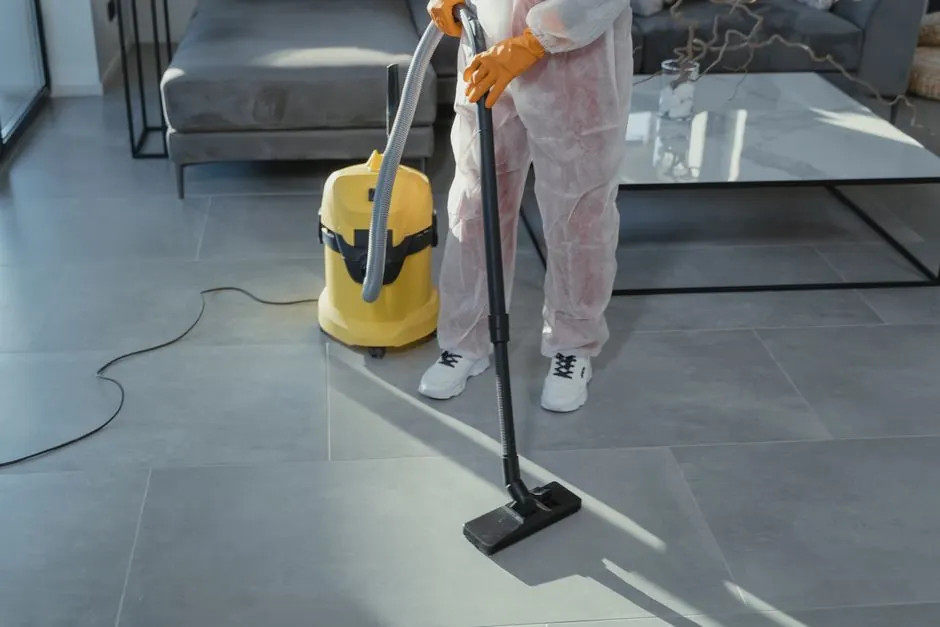
Captures spores at 0.3 microns and larger during inspection and any test cuts. HEPA filters keep the air in your home cleaner while we work, especially in occupied bedrooms.
Dehumidifier and Negative Air Machine
When we find active moisture, a dehumidifier pulls water from the air and a negative air machine keeps containment under pressure so spores cannot escape into clean rooms.
Fogger and Antimicrobial Spray
Applies Fiberlock, Concrobium or Benefect treatment to surfaces after removal. Fogging reaches framing and cavity surfaces that wiping cannot, and the products are registered for use in occupied structures.
Methods & Standards
IICRC S520 Assessment Protocol
We follow the IICRC S520 standard for mold assessment, which sets how moisture is measured, how samples are collected and how findings are documented. That structure is what makes our report usable with insurers and in real estate negotiations.
Indoor vs Outdoor Air Comparison
We always run one outdoor control sample alongside indoor samples. If indoor spore counts are higher than outdoor, or if the genus mix differs, that confirms an indoor amplification source rather than normal background spores.
Moisture Mapping Before Sampling
We map moisture first and sample second. That order matters because it tells us where to sample and keeps us from charging for lab work in rooms that tested dry. It also shows the boundary of the affected area for the remediation scope.
Containment-First Mindset
Even during inspection we treat disturbed areas as if they are contaminated. Drop cloths, HEPA vacuuming and personal protective equipment go up before we open anything, because stirring spores into the air is the fastest way to spread a problem.
When to Schedule a Mold Inspection
01
You are buying a home in Bedford TX 76021 that had a roof leak two years ago.
What we do: We inspect the attic decking, ceiling drywall and insulation for residual growth and take air samples in the affected rooms. The report tells you whether the repair was done correctly or whether mold is still active behind the paint.
→ You get lab-backed evidence to negotiate a credit or request remediation before closing, instead of inheriting a hidden problem.
02
Your HVAC has been running with a clogged condensate drain all summer.
What we do: We inspect the air handler, drain pan and supply plenum for HVAC mold contamination, then sample the air in two rooms and outside. If growth is present, we scope duct cleaning to professional air duct cleaning standards standards.
→ You know whether your ducts are spreading spores and get a clear plan to clean the system and correct the drain.
03
A bathroom exhaust fan has been venting into the attic instead of outside.
What we do: We check the attic for mold on the roof decking near the fan termination, measure moisture in the surrounding insulation and take surface samples. The inspection also documents the venting defect for your repair contractor.
→ The vent gets routed correctly, the mold is removed, and the attic stops condensing moisture every winter.
04
You manage a commercial property in Tarrant County and an employee reported a musty smell.
What we do: We inspect after hours so business is not interrupted, sample the air in the affected zone and produce a report formatted for OSHA and your insurance carrier. If remediation is needed, we scope containment around your schedule.
→ You get documentation that protects the business and a remediation plan that does not shut down operations.
How Mold Inspection Runs in Bedford
Bedford sits in Tarrant County between Fort Worth and Dallas, which means hot, humid summers and violent spring storms. Attics here regularly hit 140 degrees in July and August, and that heat drives moisture into roof decking where attic mold takes hold. Winter brings the opposite problem: warm indoor air meets cold sheathing and condenses, feeding mold on the underside of the roof. The housing stock matters too. Many homes built in the 1970s and 1980s around 76021 and 76022 have original cast-iron drains and galvanized supply lines that weep slowly inside walls. That slow leak is the number one source of hidden mold behind walls we find on inspections. Newer construction is not immune either. Tight building envelopes trap moisture, and a bathroom exhaust fan vented into the attic instead of outside will grow mold on the decking within a season. We inspect for all of it, and we document what we find so your repair and remediation scopes line up.
Neighborhoods We Serve
Bedford Heights
Older homes with original plumbing and pier-and-beam sections. We check the subfloor and crawlspace for moisture wicking up from soil after heavy rain.
Central Bedford near 76022
Dense mid-century housing with mature trees. Shade keeps roofs cooler but slows drying after storms, so attic and ceiling mold shows up here often.
Pennington Hill area
Sloped lots push runoff toward foundations. We inspect the lower exterior walls and the slab edge for moisture intrusion after prolonged rain.
Homes along the 183 corridor
Traffic vibration and older supply lines mean more pinhole leaks. We check under sinks and behind appliances where slow drips go unnoticed.
Local Conditions We Plan For
Summer attic temperatures reaching 140 degrees
Heat drives moisture out of living space and into roof decking, where it condenses at night. Attic mold grows fast in this cycle, so we inspect decking and insulation on every summer call.
Spring storm-driven rain against brick and siding
Wind-driven rain finds failed flashing and window seals. Water enters the wall cavity and sits against drywall, which is why we inspect interior walls after every major storm event.
High indoor humidity from oversized AC systems
Short cooling cycles leave indoor humidity above 60 percent, which supports mold on cool surfaces. We measure humidity during inspection and recommend corrections when it is high.
Aging cast-iron and galvanized plumbing
Slow weeps inside walls go undetected for months. We use moisture meters and thermal imaging to find these leaks before they show as a stain on the drywall.
Hidden Wall Leak in a 1978 Bedford Home
Before
A homeowner in 76022 noticed a musty smell in the hallway but no visible mold. Two contractors quoted full remediation without finding the source. Moisture meter readings showed 24 percent in the drywall behind the washer, and thermal imaging confirmed a wet cavity extending four feet along the wall.
After
We identified a slow supply-line weep at the washer box. The homeowner repaired the line, we dried the cavity with a dehumidifier and negative air machine, and follow-up readings came back at 11 percent. No remediation was needed, saving the homeowner roughly $3,200.
Maintenance: Check the washer supply lines and hoses every six months. A $15 hose replacement prevents the kind of slow leak that hides behind drywall for years.
Before
A Colleyville homeowner had a bathroom fan venting directly into the attic for years. Black mold growth covered roughly 40 square feet of roof decking near the fan termination. Air samples showed indoor spore counts three times higher than outdoor.
After
We documented the venting defect and the affected area, then the homeowner had the fan routed outside and the decking treated with antimicrobial spray. Post-remediation air samples dropped to within 10 percent of outdoor levels.
Maintenance: Verify every exhaust fan terminates outside the roof or wall. In Bedford attics, a fan venting into the attic will grow mold again within one cooling season.
Before
A property manager in Euless called after tenants reported a musty odor in two units. Inspection found mold on the evaporator coil and in the supply plenum, with visible growth on the drain pan. Air samples confirmed elevated spores in both units.
After
We scoped duct cleaning to professional air duct cleaning standards standards and treated the coil and pan with Benefect. Post-cleaning samples came back clean, and both units were re-rented within three weeks.
Maintenance: Change HVAC filters every 60 to 90 days and have the condensate drain cleared annually. A clogged drain pan is the most common source of HVAC mold we find in Tarrant County.
Problems Our Inspection Solves
Most mold calls start with a smell, a stain or a symptom. The inspection turns that vague worry into a specific finding with a specific fix, so you stop guessing and start solving.
Problem
Musty odor with no visible mold
Hidden mold behind walls or in the HVAC system keeps releasing spores into your air. Family members with allergies or asthma notice it first, and the problem grows every week it goes unaddressed.
Our Fix
We use a thermal imaging camera and boroscope inspection camera to look inside wall cavities and ductwork without demolition. Once we locate the growth, we sample it, identify the genus and give you a targeted removal plan instead of a whole-house guess.
Problem
Recurring mold after a previous cleanup
If the moisture source was never fixed, mold returns within weeks. You pay twice for the same wall and lose confidence in every contractor who touched it.
Our Fix
Our inspection traces the water back to the failed component, whether that is a condensate drain, a window flashing or a slab leak. We document it in the report so the repair gets done before any new remediation begins.
Problem
Mold found during a home purchase
Without lab documentation, sellers can dismiss a stain as old water damage. Buyers end up owning a problem they cannot prove and cannot price.
Our Fix
We produce a report with spore counts, genus identification and photos that stands up in negotiation. Bedford realtors use our findings to request credits or repairs, and sellers rarely argue with lab results.
Problem
Mold after flooding or a slab leak
Mold after flooding can colonize drywall in 48 to 72 hours. By the time you see it, the wall cavity is often fully contaminated and the HVAC may be pulling spores through the house.
Our Fix
We inspect fast, map the wet zone with a moisture meter and thermal camera, and coordinate drying with Dri-Eaz and Phoenix Restoration equipment. Containment goes up before any removal starts, so spores do not spread to clean rooms.
Why Bedford Homeowners Book an Inspection First
Guessing at mold costs more than measuring it. An inspection tells you the scope, the source and the fix before anyone swings a hammer or writes a remediation estimate.
Find the Water Source
Mold does not grow without moisture. We trace the leak back to the failed supply line, the clogged condensate drain or the flashing that was never sealed. Fix the water and the mold stops coming back. Skip that step and you are paying for the same cleanup twice.
Know the Real Scope
A 2-square-foot stain on the ceiling can mean 20 square feet of contaminated drywall behind it. Our moisture meter and thermal imaging camera map the actual wet zone so your remediation quote covers the whole problem, not just the visible part.
Protect a Home Purchase
A standard home inspection in Bedford TX flags water stains but rarely confirms mold. Our mold assessment Bedford TX gives you lab results and a written report you can take back to the seller before you sign. That is leverage worth far more than the inspection fee.
Document for Insurance
Carriers want proof of the cause and the extent. We photograph every reading, log moisture percentages and note the failed component. That file supports your claim and shows the adjuster exactly what happened and when.
Licensed, Certified, Documented
Texas Licensing, Handled Right
In Texas, mold assessment and mold remediation are separately licensed— the company that tests your home cannot be the same one that remediates it (TDLR).
We connect you with local mold specialists serving Bedford, TX— partner specialists hold Texas mold remediation licensing for jobs over 25 sq ft.
Verify any Texas mold licenseat tdlr.texas.gov before work begins — we encourage it.
Certified Inspectors, Real Field Experience
Our partner specialists work under Texas Mold Assessment and Remediation licensing (TDLR). That means we understand water behavior, drying science and the standards that govern how mold is assessed in Texas. We have inspected attics, crawlspaces, commercial kitchens, apartment complexes and post-flood slab homes across Tarrant County. We stay current on the IICRC S520 standard for mold remediation so our findings hold up with insurers, realtors and adjusters. When we say a wall is dry, it is dry to standard.
TDLR-licensed inspection specialists on every job
Texas Mold Assessment and Remediation license held by the company
professional training for indoor air quality assessment
experienced assessment for older Bedford housing stock
Lab-verified sampling with genus-level identification on every report
How much does a mold inspection cost in Bedford TX?
Most residential inspections in Bedford run $250 to $550 in 2026, depending on square footage and how many samples the lab runs. A single-room check with one air sample sits at the low end. A full-house inspection with attic, HVAC and multiple air samples lands higher. You get the price before we start, and there is no charge for the phone assessment.
What does a mold assessment include in Bedford Texas?
A mold assessment Bedford TX includes a visual walkthrough, moisture meter readings at every suspect location, thermal imaging of walls and ceilings, and air or surface sampling sent to an accredited lab. You receive photos, a floor plan of the affected area, lab results with genus identification and a written recommendation on remediation or repair.
How long does a mold inspection take in Bedford?
A typical single-family home takes 60 to 90 minutes on site. Larger homes, commercial spaces or properties with multiple affected areas can run two to three hours. Lab results come back in two to three business days, and we deliver the full written report within 24 hours of receiving them.
Do I need a mold inspection before buying a house in Bedford?
Yes, if the home has any water history, musty odor or visible staining. A standard home inspection flags moisture but does not confirm mold species or extent. Our inspection gives you lab-backed documentation you can use to negotiate repairs or walk away. In Tarrant County, where spring storms and slab leaks are common, it is cheap insurance.
Related Services
Mold Remediation
Once the inspection confirms growth, remediation removes it under containment with HEPA filtration and negative air pressure. We scope the work from the inspection report so you are not paying to tear out drywall that tested clean.
View Mold Remediation
Mold Testing & Air Quality
Lab sampling identifies the mold genus and gives you a spore count comparison between indoor and outdoor air. This pairs directly with the inspection and is often the document insurers and realtors ask for first.
View Mold Testing & Air Quality
Black Mold Removal
When sampling confirms toxigenic species, removal follows a stricter protocol with containment plastic sheeting, personal protective equipment and antimicrobial spray. We handle it as a contained project, not a wipe-down.
View Black Mold Removal
Attic Mold Removal
Bedford attics hit 140 degrees in summer and condense moisture in winter, which feeds mold on roof decking. Our inspection maps the affected sheathing, and removal follows with ventilation corrections so it does not return.
View Attic Mold Removal
HVAC & Air Duct Mold Cleaning
If the inspection finds growth in the supply plenum or on evaporator coils, the whole house is breathing it. We clean ducts to professional air duct cleaning standards standards and treat the coil and drain pan.
View HVAC & Air Duct Mold Cleaning
Bathroom Mold Removal
Bathroom mold usually traces to a failed exhaust fan or a slow supply-line weep. The inspection pinpoints the moisture source, and removal includes antimicrobial spray and a fan upgrade recommendation.
View Bathroom Mold Removal
Book Your Mold Inspection Bedford TX Today
Licensed, insured and lab-backed. Call (817) 839-0204 and we will tell you on the phone whether you need a full inspection or a simple repair. Same-day appointments available across Bedford and Tarrant County.
Reach us at (817) 839-0204 any time, day or night. We answer live calls, schedule same-day inspections when the calendar allows, and give you a flat written price after we see the job. If you are in 76021, 76022, or 76095, we are usually minutes away.