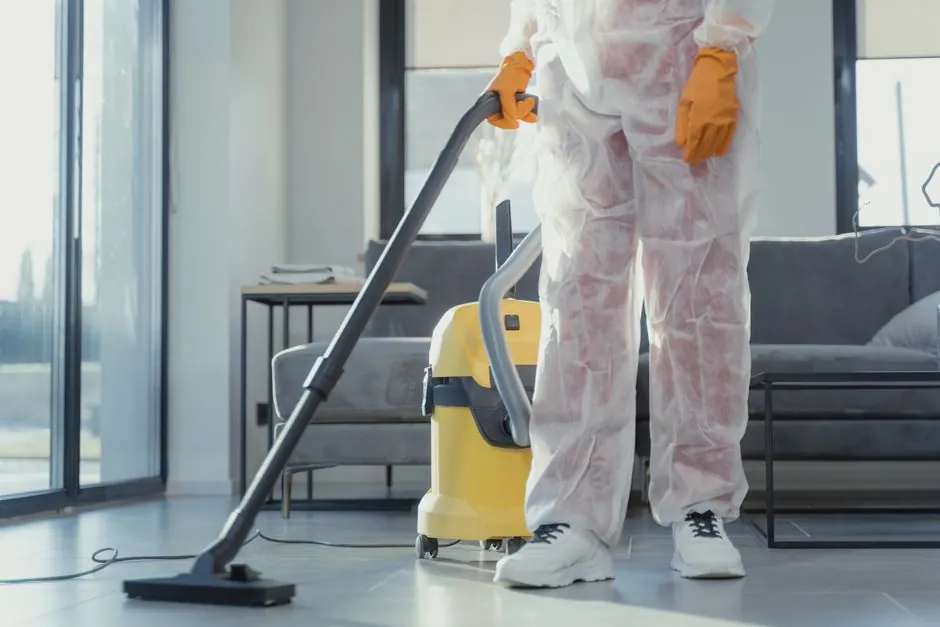
Full Attic Inspection
Moisture meter readings, thermal imaging, and boroscope inspection of decking, rafters, and duct runs. You get photos and a written scope before we start work, usually the same day you call.
Every attic job we run includes inspection, containment, physical removal, treatment, and clearance testing. Add-ons like duct cleaning, insulation replacement, and roof repair coordination are quoted separately so you can see exactly what you are paying for.
Moisture meter readings, thermal imaging, and boroscope inspection of decking, rafters, and duct runs. You get photos and a written scope before we start work, usually the same day you call.
Containment plastic sheeting at the attic access and a negative air machine running for the duration. This keeps spores out of your living space while we work, and it is not optional on our jobs.
HEPA vacuum first, then physical removal of growth from sheathing and framing. We do not rely on sprays alone. Porous wood gets an encapsulant coating after treatment.
Antimicrobial spray applied to all affected surfaces, with a fogger reaching tight truss bays. We use products from Fiberlock, Concrobium, Benefect, and RMR-86 depending on the surface and contamination level.
Air sampling through an independent lab after final cleaning. You receive the results in writing, typically within 48 hours. If clearance fails, we return and re-clean at no charge.
Attic Mold Removal in Bedford is the process of identifying, containing, and physically removing fungal growth from roof sheathing, rafters, trusses, and insulation inside a home’s attic space. It is not a spray-and-walk-away job. We start with a boroscope inspection camera and a thermal imaging camera to map moisture behind the decking, then set containment plastic sheeting to keep spores out of your living space. Growth gets scrubbed off framing, treated with an antimicrobial spray, and sealed with an encapsulant coating where the wood is porous.
Most Bedford attics we open up have the same story: a bath fan venting into the attic instead of outside, a slow roof leak after a spring hailstorm, or a supply duct sweating through a Texas summer. That trapped humidity feeds black mold growth on the north-facing sheathing within weeks. If you have been searching for attic mold remediation near me Bedford TX, the fix starts with airflow and moisture control, not bleach. We handle residential attic mold removal Bedford homeowners can actually live through, with containment up before we touch a single colony.
Every job follows the same sequence. You will know what is happening, who is in your house, and how long each stage takes before we start.
Schedule
Call or book online — a real human picks up and confirms a 2-hour arrival window.
Diagnose
Licensed tech inspects on-site, then walks you through the cause and your options.
Fix
The job is completed to code and done right the first time — no shortcuts, no surprises.
Guarantee
Every job backed by a written workmanship warranty — and we stand behind it.
Thermal Imaging Camera
Finds moisture behind sheathing and around duct runs without cutting into the structure. It shows us where the water is hiding, not just where the stain is.
Boroscope Inspection Camera
Slides into tight truss bays and wall cavities to confirm growth in areas we cannot see directly. Essential on finished attics and tight roof pitches.
HEPA Vacuum and Air Scrubber
Captures spores at the source and filters the air throughout the job. We run HEPA filters continuously until clearance testing is complete.
Negative Air Machine
Keeps the attic under negative pressure so spores cannot drift into bedrooms through the access hatch. Standard on every remediation we run.
Fogger
Applies antimicrobial treatment into tight truss bays and corners that brushes cannot reach. Pairs with hand scrubbing, never replaces it.
Moisture Meter
Reads wood and insulation moisture content so we know what stays and what gets replaced. We show you the readings before recommending anything.
Dehumidifier
Brings attic humidity back under 50 percent after treatment so the wood can dry properly. Dri-Eaz and Phoenix Restoration units are our go-to.
IICRC S520 Remediation Standard
The industry standard for mold remediation, covering containment, removal, cleaning, and verification. We follow it on every attic job, which is why our clearance results hold up.
Physical Removal Before Chemical Treatment
We scrub growth off framing and sheathing before applying any antimicrobial spray. Chemicals alone do not remove a colony, and spray-only jobs are the ones that come back.
Encapsulant Coating on Porous Wood
After treatment, we seal bare or heavily colonized wood with an encapsulant coating. It locks down any residual material and gives the surface a finish that will not feed new growth.
Post-Remediation Verification
Independent lab air sampling after final cleaning, with results in writing. If clearance fails, we re-clean at no charge. This is how you know the job is actually done.
01
What we do: We inspect with a moisture meter and thermal imaging camera, confirm the growth, and quote remediation in writing. Containment goes up before any removal starts.
→ Clean, treated sheathing, verified by lab clearance, usually within two days of the first call.
02
What we do: We dry the framing, remove and treat the colonized sections, and coordinate with your roofer on the repair. Insulation that tested wet gets pulled and replaced.
→ Dry attic, no regrowth at the 90-day follow-up, and documentation for your insurance file.
03
What we do: We move fast on a written scope, complete remediation, and provide the photo report and clearance results your realtor needs for the file.
→ Clearance paperwork in hand before the option period ends, keeping the closing on schedule.
04
What we do: We remediate the attic and bring in professional duct cleaning to clear the system. Duct sealant closes the leaks that let spores in.
→ Fresh-smelling air from every vent and a system that is no longer recirculating spores.
Bedford sits in Tarrant County with the kind of North Texas climate that punishes attics. Summer attic temperatures push past 130 degrees, then winter cold fronts drop them below freezing within days. That swing condenses moisture on roof sheathing and ductwork, and once relative humidity holds above 60 percent, mold takes hold fast. Most of the housing stock here is slab-on-grade ranch and two-story construction from the 1970s through the 2000s, and plenty of those attics still have bath fans venting straight into the space. We see the same pattern in Hurst, Euless, and North Richland Hills. If you are looking for professional attic mold removal in Bedford, Texas, the fix is always the same: remove the growth, correct the ventilation, and verify with lab testing. We handle the roof-side coordination too, so your roofer and local mold specialists are not working against each other.
Central Bedford
Older ranch homes near Central Drive often have original bath fans venting into the attic. That single issue drives a large share of our remediation calls here.
Bedford Heights
Two-story homes with long duct runs through the attic. Sweating supply ducts and undersized return air are common, and both feed mold growth on nearby sheathing.
Harwood Road Corridor
Newer builds with tighter envelopes that trap humidity when ventilation is undersized. We see mold on the north-facing decking within a few seasons.
Pennington Field Area
Mixed-age housing stock near the stadium, with a lot of hail-damaged roofs from recent storm seasons. Slow leaks after repairs are a frequent source of attic mold.
Summer attic temperatures above 130 degrees
Heat drives moisture out of framing and insulation during the day, then it condenses on cooler surfaces overnight. That daily cycle feeds slow, persistent growth.
Spring hail seasons along the Metroplex
Roof damage from hail opens slow leaks that go unnoticed for weeks. By the time a ceiling stain shows up, the decking above is usually colonized.
Bath fans venting into the attic
Common in older Bedford homes and one of the top causes we find. Every shower dumps humid air straight into the space that should stay dry.
Undersized soffit and ridge ventilation
Without balanced intake and exhaust, attic air stagnates. Humidity climbs, and mold colonizes the sheathing even when there is no active leak.
Attic mold shows up in patterns. Here are the ones we see most often in Bedford homes and how we handle each.
Problem
The smell means spores are moving through your living space, and family members with allergies or asthma often feel it first. Ignoring it lets the colony spread across more sheathing.
Our Fix
We trace the odor to its source with thermal imaging and air sampling, then contain and remove the growth. A fogger and air scrubber clear residual spores so the smell does not come back.
Problem
This usually points to poor ventilation and years of trapped humidity. Left alone, the decking delaminates and the stain spreads down the rafters toward the walls.
Our Fix
We scrub and treat the affected decking, apply encapsulant coating to porous wood, and correct the ventilation imbalance with proper intake and exhaust. You get photo documentation before and after.
Problem
Duct condensation drips onto insulation and framing, and the system then pulls spores into every room it serves. This is one of the fastest ways attic mold becomes a whole-house problem.
Our Fix
We clean the attic growth, seal duct leaks with duct sealant, and bring in professional duct cleaning when the system is contaminated. Insulation that tested wet gets replaced.
Problem
Spraying without fixing moisture or removing the colony just knocks it back for a season. Homeowners pay twice and the growth comes back thicker the next spring.
Our Fix
We start over with full containment and physical removal, then correct the water source. Post-remediation clearance testing proves the job is actually done this time.
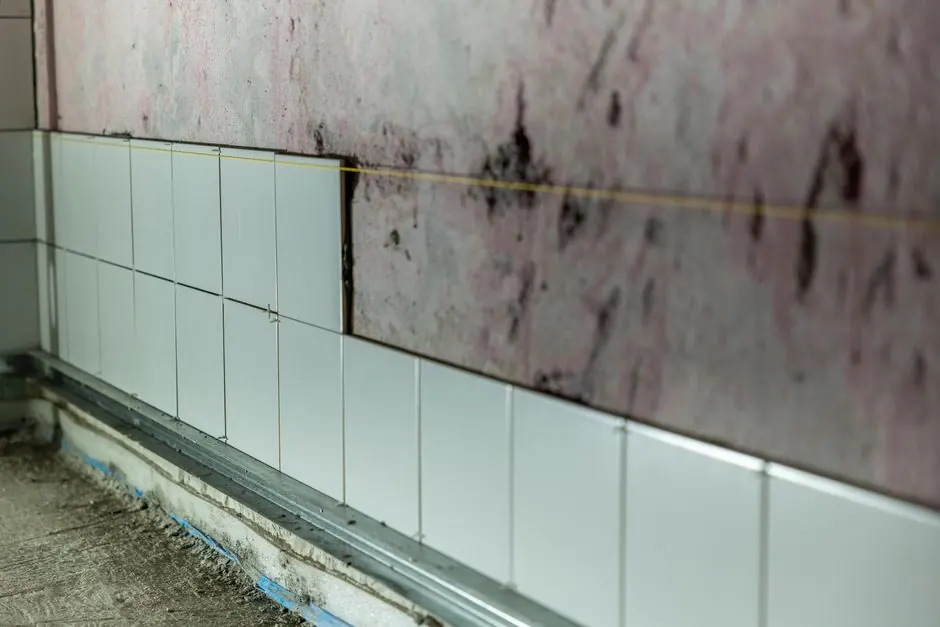
Attic mold does not stay in the attic. Spores ride your HVAC system into bedrooms, closets, and kitchens. Here is what proper remediation gets you.
Air You Can Breathe
We run a HEPA vacuum and air scrubber with HEPA filters for the full job, then verify with post-remediation air sampling. Homeowners with allergies and kids with asthma notice the difference within a day or two of us packing up. That musty smell in the hallway goes with us.
Wood That Stops Rotting
Mold eats the cellulose in roof decking and trusses. Left alone for a couple of seasons, sheathing delaminates and framing loses strength. Our antimicrobial spray and encapsulant coating stop the decay and give the wood a sealed surface that will not feed a new colony.
Lower Cooling Bills
A moldy, moisture-loaded attic makes your AC work harder from May through September. Once we seal the source, add proper ventilation, and clear the deck, attic temperatures drop and your system stops fighting a wet envelope. Most customers see the difference on the next full-month bill.
Documented for Resale
Tarrant County buyers and inspectors ask about attic mold. We hand you a full photo report, moisture readings, and a clearance summary after remediation. That paperwork has saved more than one Bedford closing from stalling at the option period.
Partner specialists work under Texas mold remediation licensing (TDLR). We work under a Texas Mold Assessment and Remediation license and follow the IICRC S520 standard for mold remediation on every job. Crews follow strict jobsite safety practices on every project. We also follow professional air duct cleaning standards, which matters when attic mold has spread into your HVAC system. Local experience across Tarrant County means we have seen how Bedford’s humidity, hail seasons, and slab-on-grade construction interact to feed attic growth.
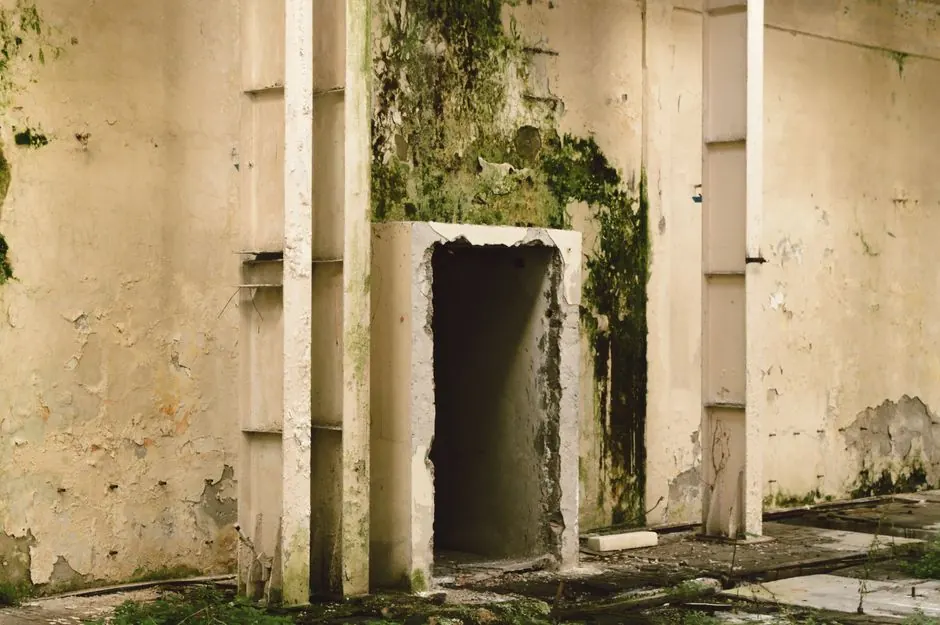
Real answers to the questions we hear most often from local homeowners and property managers.
Full-property remediation for growth beyond the attic, including wall cavities and crawlspaces. If attic mold has migrated down through a chase or duct, this is the next step for Bedford homeowners.
A non-invasive walkthrough with moisture meter and thermal imaging camera to confirm whether you actually have attic mold or just a stain. Many Bedford calls end here with a clean report and no remediation needed.
Lab air and surface sampling that tells you what species are present and at what spore counts. We use this before and after attic mold remediation in Bedford to prove clearance.
View Mold Testing & Air Quality
Targeted removal for toxic black mold growth, which shows up on Bedford roof sheathing more often than homeowners expect. Same containment and clearance protocol, with extra PPE and disposal handling.
When attic mold has seeded your ductwork, cleaning the system stops spores from recirculating through the house. professional duct cleaning pairs with attic remediation for a complete fix.
View HVAC & Air Duct Mold Cleaning
Bathrooms and attics often share the same moisture problem, especially when a fan vents upward. We treat both ends so the growth does not return the following season.
View Bathroom Mold Removal
Reach us at (817) 839-0204 any time, day or night. We answer live calls, schedule same-day inspections when the calendar allows, and give you a flat written price after we see the job. If you are in 76021, 76022, or 76095, we are usually minutes away.
Phone
Address
Serving Bedford, TX · ZIP 76021 · 76022 · 76095, Bedford, Texas
Hours
Mon–Fri: 7AM – 7PM
Sat: 8AM – 4PM
Sun: Emergency Only
24/7 Emergency Available