Serving Bedford, TX · ZIP 76021 · 76022 · 76095
Black Mold Removal in Bedford, TX: The Honest Version
Black mold removal in Bedford TX starts with two truths the hype usually skips: color tells you nothing about toxicity, and “black mold” is not a species at all (CDC; EPA). What matters is where the water is, how far the growth spread, and whether the removal follows containment, cut-out removal and independent clearance: the same rigorous sequence as any mold remediation.
Call (817) 839-0204
Mon-Sun, 8:00 AM – 7:00 PM
Bedford Local · 76021 · 76022 · 76095
Emergency Service Available
What “Black Mold” Actually Means
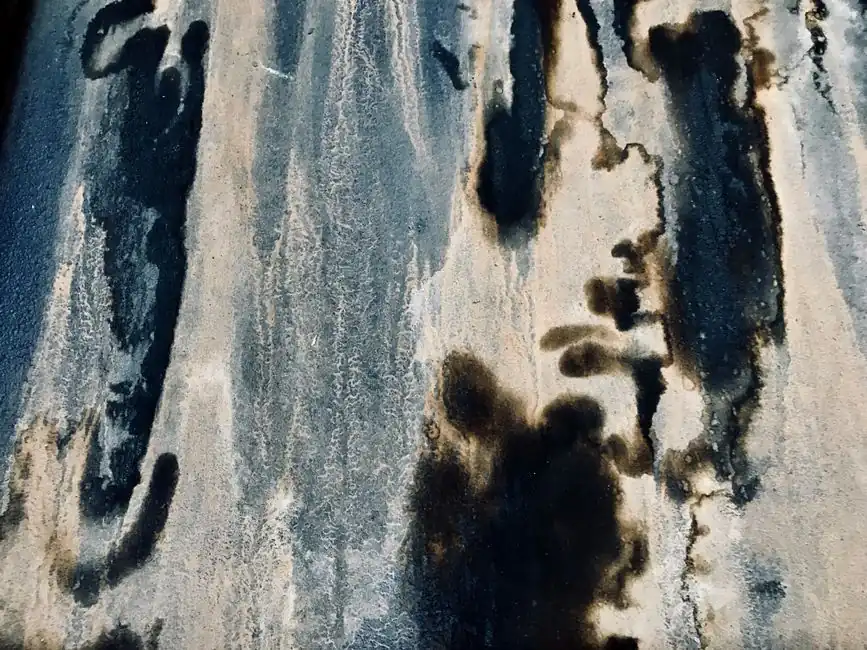
The mold people call “black mold” is usually Stachybotrys chartarum, but often it is not. Many dark molds (including the common Aspergillus niger) look black to the naked eye, and Stachybotrys itself is actually greenish-black and slimy. You cannot identify a species by color. Only a lab can.
The CDC’s position, in plain English: Stachybotrys grows on materials with high cellulose content (drywall, paper, fiberboard) only where there is constant moisture. It can produce mycotoxins, but the mold itself is not considered toxic or poisonous, and no test exists that proves an association between Stachybotrys chartarum and particular health symptoms. (CDC)
So what does black mold removal actually mean in practice? The same sequence as any serious mold remediation: find the moisture feeding it, seal the work area, cut out what cannot be saved, clean and treat what can, dry the structure, and prove it with independent testing. There is no magic “black mold” process, and no honest reason for a “black mold species premium” on your quote. If a contractor charges extra because the mold is black, get another quote.
The one thing that is specific to Stachybotrys: it needs chronic water saturation to grow. A small humidity spike will not do it. If Stachybotrys is present, you have had an ongoing leak for a while, which means the moisture source, not the mold, is the real emergency.
What Our Black Mold Removal Covers
Every black mold job is a full remediation job. Bleach wipes, fogging-only services and paint-overs are not on the list:
Independent Assessment First
A licensed assessor, separate from the removal crew, as Texas law requires, documents affected rooms, the moisture source and a written protocol before anything is cut.
Containment + Negative Air
Work area sealed with plastic sheeting; HEPA air scrubbers keep the zone under negative pressure so spores cannot reach clean rooms. This is the step that separates a real job from a dangerous one.
Cut-Out Removal, Not Paint-Over
Moldy drywall, insulation, carpet pad and trim come out in sealed bags, never bleached and painted over. Mold roots embed in porous material; surface treatment alone means regrowth.
HEPA Cleaning + Treatment
Exposed framing gets HEPA vacuuming, scrubbing and EPA-registered antimicrobial treatment. Crews wear full personal protective equipment on every black mold call.
What’s NOT Included
No bleach-only “treatment,” no fogging as a standalone service, no painting over growth. Rebuild work (drywall, paint, trim) is quoted separately so you decide who does it.
Before We Arrive
Do not disturb the growth, no scrubbing, no fans blowing into the room, no ripping out drywall yourself. Note when it started and anything that got wet nearby; the crew needs that history.
The Black Mold Removal Process, Step by Step
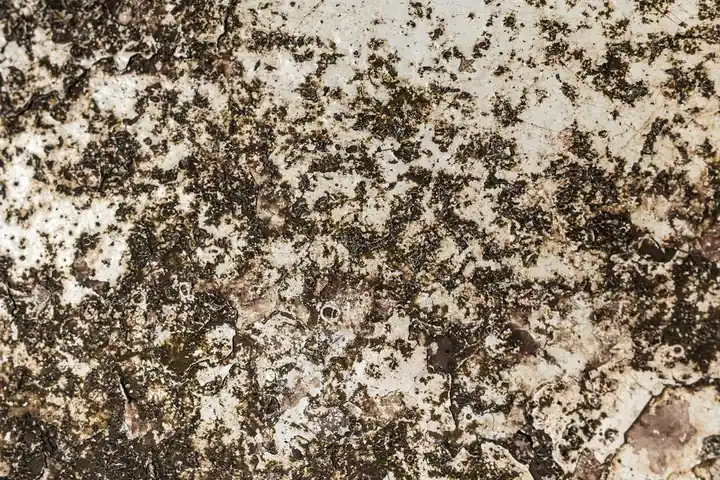
The same sequence on every job, so you always know what happens next:
A licensed assessor documents the growth, the moisture source and the written protocol. Lab samples confirm the species only if the answer changes the plan.
The leak, drip or drainage failure gets fixed before removal starts. Removing Stachybotrys without ending its water supply guarantees a return visit.
Barriers go up, vents get sealed, HVAC is shut down in the zone. Disturbing black mold without containment spreads spores through the whole house.
HEPA air scrubbers run for the whole job, exhausting outside so any gap pulls clean air in instead of pushing contaminated air out.
Contaminated porous material out, double-bagged and hauled away the same day. What can be saved is HEPA vacuumed and treated.
Dehumidifiers and air movers run until wood reads at safe dry levels, verified daily, typically a 48-hour drying phase. Nothing gets sealed up damp.
A separate licensed assessor verifies the work passed with air samples against an outdoor control. If the same company grades its own work, the pass means very little.
Photos, moisture readings, lab results and the Texas CMDR, the paperwork package that protects you at resale and with your insurer.
“Toxic Black Mold”: Claims vs. What the Science Says
Black mold has a fearsome reputation, some of it earned, some of it internet myth. Here is a measured look so you can take it seriously without panicking:
| The claim | What the science says |
|---|---|
| “Black mold is the most dangerous mold” | Color tells you nothing. Many molds look black, and the health effects of mold depend on species, individual sensitivity and exposure level, not color. (CDC) |
| “Toxic mold syndrome is a medical diagnosis” | It is a legal term, not a medical diagnosis. No test proves an association between Stachybotrys chartarum and particular health symptoms. (CDC) |
| “All Stachybotrys produces deadly toxins” | Only about one-third of Stachybotrys chartarum strains can produce trichothecene mycotoxins, depending on conditions, and the presence of the mold does not guarantee mycotoxins. (CDC-cited research, via TrueSight) |
| “You must know the species before removing” | You do not. The CDC treats all indoor mold growth the same way: if you see or smell mold, remove it. Species ID does not change the fix, only the moisture source does. (CDC) |
| “Bleach kills black mold” | Bleach whitens the stain on porous materials while roots survive underneath, and it adds moisture, which mold loves. It works on hard non-porous surfaces only. The fix is removal plus ending the water supply. (EPA remediation guidance) |
What the evidence does support: mold exposure, black or otherwise, is linked to nasal congestion, coughing, eye and throat irritation, and worsened asthma, especially with sustained indoor exposure (CDC). People with asthma, allergies, chronic lung disease or weakened immune systems react more strongly. If symptoms persist, see a doctor, a website cannot diagnose you.
Why Bedford Grows the Kind of Mold That Needs a Pro
Stachybotrys needs chronic water saturation, not a humidity spike, a real ongoing leak. Bedford supplies them: 62% average relative humidity (67% in May), 34-39 inches of rain a year (myperfectweather.com, timeanddate.com climate data), and Texas leading the nation in hail for 11 straight years, with Fort Worth logging 41 hail days in 2024 alone (NOAA NCEI via rooftake.com).
1983-Era Plumbing
Bedford’s median home was built in 1983 (Census QuickFacts), aging under-slab and supply lines that drip for months before anyone notices. Slow, hidden and chronic: exactly what Stachybotrys needs.
Slab + Blackland Clay
No basements here, homes sit slab-on-grade over expansive clay. Slab leaks wick water into flooring and baseboards with nothing visible on the surface until the growth is well established.
AC Condensate + Hail Roofs
Clogged condensate drain lines are the #1 hidden mold cause in North Texas, dripping into insulation and drywall for weeks. Hail-fractured shingles add slow attic leaks that soak sheathing long before stains show.
Where black mold hides in Bedford: behind shower walls and under vanities (supply-line drips), attic sheathing (roof leaks, bath fans vented into the attic), air handler cabinets and drain pans (condensate), and baseboards over slab leak paths.
Real Bedford Scenarios
Dark patches spreading across the bathroom ceiling
What happens: moisture meter and thermal scan trace the supply-line drip behind the wall; the room gets contained; moldy drywall is cut out in sealed bags, the cavity HEPA vacuumed and treated, then dried before any rebuild.
Outcome: growth gone, the leak fixed, and independent clearance confirms the air is clean before the ceiling is closed up.
Musty smell every time the AC runs, kids coughing more at home
What happens: air handler, drain pan, coils and supply plenum inspected; growth in the system is removed under containment; antimicrobial treatment applied; duct leaks sealed and the condensate line cleared.
Outcome: the system stops spreading spores to every room. (If anyone has ongoing respiratory symptoms, see a doctor, and note whether symptoms ease when they leave the house, the classic pattern for indoor mold exposure.)
Selling your Bedford home, buyer’s inspector flagged attic mold
What happens: written scope and price up front; remediation on the buyer’s timeline with photos, readings and independent clearance throughout.
Outcome: clearance testing passes and you hold the CMDR paperwork the buyer’s lender needs to close. (Homes with mold history can lose 20-37% of resale value, The Appraisal Journal, via Angi.)
What Does Black Mold Removal Cost in Bedford?
Straight answer: these are typical market ranges, not a quote. Black mold costs the same as any remediation of the same size, the price comes from square footage, accessibility and material removal, not from the species name on the lab report.
Small Contained Job
$1,200 – $2,000
Single bathroom or closet with limited material removal. (planning ranges citing Angi)
Typical Mid-Range Job
$1,100 – $3,300
National average around $2,200, most residential projects land in this band. (Angi, 2026)
Per Square Foot
$10 – $25
Rule of thumb based on the affected area only, not your home’s total size. (Angi)
What moves a quote: square footage of growth, removal vs. cleaning, accessibility (attic, behind walls, HVAC), whether the moisture source still needs fixing, and whether independent clearance testing is included. Extensive multi-room jobs run $5,000 and up (planning ranges citing Angi). And the rule from the field: question any “black mold species premium”, get three itemized estimates in writing.
DIY or Call a Pro?
Reasonable DIY
A few square feet on hard, non-porous surfaces (tile, glass), N95 mask, gloves, detergent or vinegar. Small, contained and on a surface mold cannot root into.
Call a Professional
Growth in drywall, wood or insulation · in the HVAC system · keeps coming back · after flooding or sewage · anyone home has asthma or allergies · anything over roughly 10 square feet.
The #1 DIY Mistake
Spraying bleach and painting over it. The stain disappears, the roots survive, and the paint traps moisture that feeds regrowth, turning a contained job into a bigger one behind a fresh coat of paint.
Texas Law Protects You
There is no official “Stage 4” in Texas mold regulations, what the law cares about is square footage, location (HVAC/structural spread) and licensed handling. Verify any contractor’s license on the TDLR website before hiring.
Common Questions
Is black mold dangerous to my health?
How do I know if it’s actually Stachybotrys (black mold)?
How much does black mold removal cost in Bedford TX?
Can I remove black mold myself?
How long does black mold remediation take?
Does homeowners insurance cover black mold removal in Texas?
Found Dark Mold? Get It Handled Right the First Time.
Dark patches, a musty smell, or a leak you just discovered, whatever the story, just call (817) 839-0204. We’ll check availability and respond promptly: same-day when possible, next day at the latest.
What happens when you call: we ask where the mold is and what got wet · we explain what the visit includes and what to expect · we connect you with an available licensed specialist.
Serving Bedford, TX · ZIP 76021 · 76022 · 76095 · Mon-Sun 8AM-7PM