Serving Bedford, TX · ZIP 76021 · 76022 · 76095
Water Damage Mold Cleanup in Bedford, TX: Dry It Fast, Clean It Right
Water damage mold cleanup in Bedford TX is a race against a 48-hour clock: mold starts growing within 24 to 48 hours of water exposure (EPA). We extract standing water, dry the structure to a verified dry standard, and remediate any mold that started while materials were wet – one continuous scope, so water and mold never get handled as two disconnected jobs.
Call (817) 839-0204
Mon–Sun, 8:00 AM – 7:00 PM
Bedford Local · 76021 · 76022 · 76095
Emergency Service Available
What Water Damage Mold Cleanup Actually Means
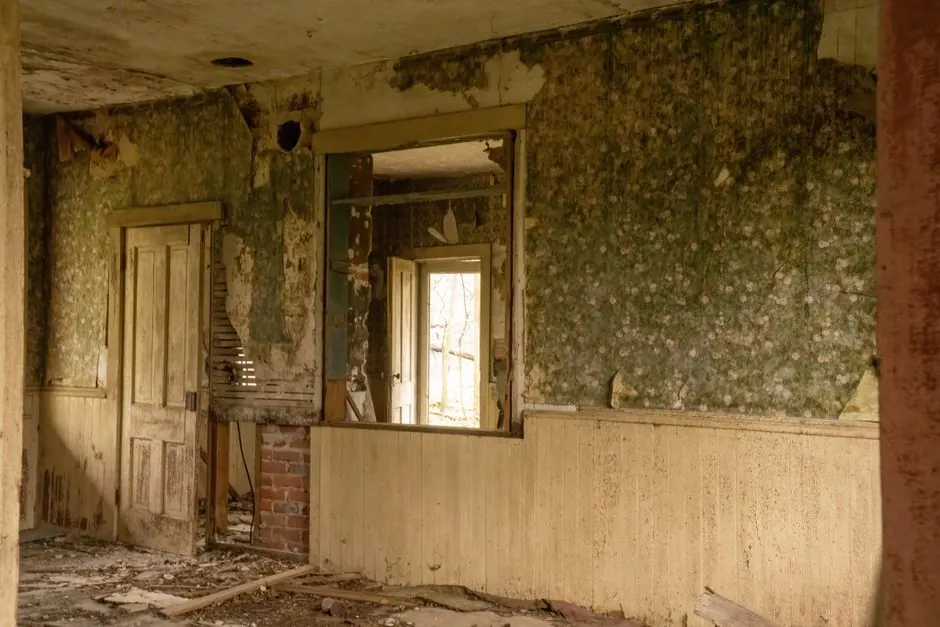
Most water losses attract three separate trades: someone to stop the water, someone to dry the building, and someone to deal with the mold. When those are three separate hires on three separate schedules, the 48-hour mold window closes while everyone waits on everyone else. That is exactly why water damage mold cleanup Bedford TX exists as a single combined service: extraction, structural drying, and remediation of any growth found along the way – in that order, without gaps.
The short version: water damage cleanup = get the water out and the structure truly dry. Mold cleanup = remediate the growth the water caused. Do the first without the second and you seal mold inside your walls; do the second without the first and the mold comes straight back.
And “dry” does not mean “looks dry.” Drywall can feel dry to the touch while the framing behind it is still wet enough to grow mold – which is why every step below is verified with meter readings, not eyeballs.
What Our Cleanup Covers
Every job starts with stopping the water and mapping the moisture. The scope below is the standard sequence; your written scope confirms what your loss needs before work begins.
Emergency Water Extraction
Standing water pulled from carpet, pad, and hard flooring on the first visit. The faster water leaves the building, the less the structure absorbs – and the smaller the mold window gets.
Structural Drying + Monitoring
Air movers and dehumidifiers placed from the moisture map, with daily meter readings until wood reads below about 17% moisture and other materials hit dry standard (IICRC S500). Nothing gets sealed up damp.
Mold Remediation Where Found
Where growth started during the wet period: containment, negative air, HEPA filtration, removal of unsalvageable porous materials, and antimicrobial treatment of what stays.
Antimicrobial Treatment
EPA-registered antimicrobials applied to framing and surfaces after drying – as a finishing step, never as a substitute for removing moldy drywall.
What’s NOT Included
We don’t repair the burst pipe or the roof – that’s your plumber or roofer. Full reconstruction (new drywall, paint, flooring) is a separate scope quoted separately. And we document everything for your adjuster, but we don’t file your insurance claim for you.
Before We Arrive
Shut off the water source if you can do it safely. Move valuables and rugs out of the wet area. Take phone photos of everything before anything moves – your adjuster will want them. If water is near outlets or the panel, stay out and wait for the crew.
The Cleanup Process, Step by Step
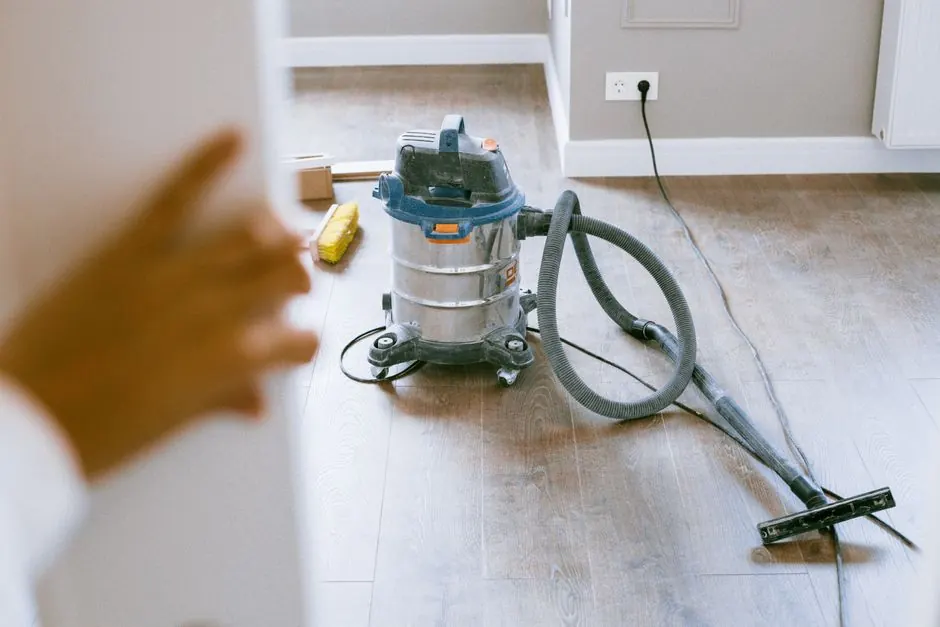
The same sequence on every job – order matters, because each step only works if the one before it was done:
Main water valve off; power off in wet areas if water is near wiring. Safety first, extraction second.
Truck-mounted extraction pulls water from carpet, pad, and hard floors on the first visit – hours matter more than equipment brands.
Pin and pinless meters plus thermal imaging log exactly what is wet and how wet, room by room. This map drives every decision after it.
Soaked carpet pad, swollen drywall, and saturated insulation come out and are bagged the same day – porous materials that can’t be dried within 24 to 48 hours don’t get a second chance (EPA water-damage guidance).
Plastic barriers go up, vents get sealed, negative-air machines run – so remediation doesn’t push spores into clean rooms.
Equipment runs until readings verify dry – wood below about 17% moisture (IICRC S500) – checked daily, never on a fixed timer.
HEPA vacuum, scrub, and EPA-registered antimicrobials on everything that stays; independent clearance testing where Texas rules require it.
Photos, moisture logs, scope, and CMDR paperwork for your insurer and your files – a mold history can cut resale value 20–37% (The Appraisal Journal, via Angi), and documentation is what protects you at sale time.
Know Your Water: Clean, Gray, or Black
Not all water is equal. The IICRC S500 standard classifies water by contamination level, and the category decides the handling, the protective gear, and the price. One more rule: clean water left sitting degrades – Category 1 can become Category 2 or 3 within days (IICRC S500).
| Category | Examples | Handling |
|---|---|---|
| Category 1: Clean water | Supply lines, toilet tanks, rainwater | Lowest risk and cheapest to dry – but only if caught fast |
| Category 2: Gray water | Washing machines, dishwashers, toilet overflow without solids | Contains contaminants; porous materials usually get removed, not dried |
| Category 3: Black water | Sewage backups, floodwater, storm surge | Professionals only – never DIY. Full protective gear and disposal protocols. |
The price follows the category: Category 1 cleanup runs about $3–$4 per square foot of affected area, while Category 3 runs $7–$7.50 (HomeAdvisor, 2026). Extraction and drying alone benchmarks wider – roughly $4–$6 per square foot for Category 1 and $9–$12 for Category 3 (PuroClean, 2026) – because different datasets count different scopes. Compare scopes, not just numbers.
Why Bedford Homes Flood the Way They Do
Bedford water losses follow a local pattern. The city averages 62% relative humidity (67% in May) with 34–39 inches of rain a year (myperfectweather.com, timeanddate.com) – so anything that stays wet here stays wet long enough to grow mold.
Slab Leaks
Nearly all DFW homes built after 1960 sit on post-tensioned slabs over expansive clay, and supply lines running under the slab fail from corrosion and foundation shift. Slab leak detection plus restoration typically runs $1,500–$5,000 in Dallas (waterdamagerestorationpricing.com, Apr 2026). Warm spots on the floor and a spinning water meter are the tells.
Winter Freeze Pipe Bursts
February 2021’s storm held DFW below freezing for nearly 100 consecutive hours and burst tens of thousands of pipes across the metro (waterdamagerestorationpricing.com). Attic-run lines and exterior-wall copper are the repeat offenders every hard freeze.
Hail Roof Leaks
Texas has led the nation in hail for 11 straight years, and Fort Worth logged 41 hail days in 2024 (NOAA NCEI via rooftake.com). Hail-fractured shingles drip into attics and insulation for weeks before a ceiling stain ever appears.
Add Bedford’s median home age – built in 1983 (Census QuickFacts) – and you get 40-year-old supply lines, water heaters, and roofs meeting North Texas weather. That combination is the local water-damage recipe.
Real Bedford Scenarios
Supply line bursts under the kitchen sink at 9 PM
What happens: the source gets stopped, standing water is extracted the same visit, and a moisture map covers the cabinets, subfloor, and adjoining wall. Wet toe-kicks and the bottom of the drywall get flood-cut; drying equipment goes in that night.
Outcome: the structure hits verified dry standard within days, readings are documented for the insurance claim, and no mold starts because the 48-hour window was beaten.
Slab leak – warm tile, musty baseboards, water bill climbing
What happens: the leak zone is located, flooring is lifted at the wet area, and moisture is mapped across adjoining rooms to catch how far water wicked under the slab edge. Drying runs with daily meter readings.
Outcome: the leak is documented for your plumber’s repair, drying is verified in writing, and the musty baseboards are treated or replaced instead of painted over.
Hailstorm roof leak – attic insulation damp, ceiling stain spreading
What happens: the attic is inspected with moisture meter and thermal camera, wet insulation is removed, and the sheathing is dried and treated. The roof issue is documented with photos for your roofer and your insurer.
Outcome: photos and moisture logs support the claim, and the CMDR paperwork protects you at resale – a mold history can cut resale value 20–37% (The Appraisal Journal, via Angi).
What Does Water Damage Mold Cleanup Cost in Bedford?
Straight answer: these are typical DFW market ranges, not a quote. Dallas water damage restoration averages about $3,000, typically running $1,300–$5,800 (waterdamagerestorationpricing.com, Apr 2026). Your price depends on the water category, the square footage affected, and how long the water sat before drying started.
Single Room: Extraction + Drying
$1,000 – $3,500
Small Category 1 leak caught fast – extraction, drying equipment, and monitoring. (Bobs Water Damage Restoration, Dallas market, 2026)
Cleanup + Mold Remediation
$1,500 – $7,000+
Water cleanup plus remediation where growth started. Emergency extraction alone runs $500–$3,000. (Bobs Water Damage Restoration and Mr Restore, Dallas market, 2026)
Sewage / Multi-Room Loss
$8,000 – $30,000+
Category 3 black water or several rooms – full protective protocols, demolition, disposal, extended drying. (Bobs Water Damage Restoration, Dallas market, 2026)
What moves a quote: water category (clean vs. gray vs. black), affected square footage – not your home’s total size – how long the water sat, materials involved (carpet vs. hardwood vs. drywall), and whether mold remediation or reconstruction is included. Get three itemized estimates in writing.
DIY or Call a Pro?
Reasonable DIY
A clean-water spill you catch within hours: mop it up, pull the rugs, run a dehumidifier and fans, and watch for odor or staining over the next week. Small, fast, and verifiable.
Call a Professional
Sewage or floodwater · water inside walls or under flooring · anything wet longer than a day · water near electrical · mold already visible · a musty smell after you thought it was dry.
The #1 DIY Mistake
Drying the surface while the cavity stays wet. Drywall can feel dry to the touch while the wood behind it still reads far above dry standard – seal it up and mold grows where you can’t see it. Verify with a meter, or don’t close it up.
Texas Law Protects You
Texas also requires the assessment before remediation begins: a written work analysis – rooms, quantities, methods – must exist before any demolition starts. (TX OAG)
Common Questions
How fast does mold grow after water damage?
Can I just dry it myself with fans and a dehumidifier?
Does homeowners insurance cover water damage mold cleanup?
Is a sewage backup something I can clean up myself?
What does “dry standard” actually mean?
How long does water damage mold cleanup take?
Water in Your Home? Every Hour Counts.
Got a leak, a flood, or a musty smell after one? Just call (817) 839-0204. We’ll check availability and respond promptly: same-day when possible, next day at the latest.
What happens when you call: we ask what happened and where the water is · we confirm the affected area and timing · we connect you with an available licensed specialist.
Serving Bedford, TX · ZIP 76021 · 76022 · 76095 · Mon–Sun 8AM–7PM